Category: Formula

  • Has Aston Martin’s Newey Team Principal Project Failed? F1 Q&A

    Has Aston Martin’s Newey Team Principal Project Failed? F1 Q&A

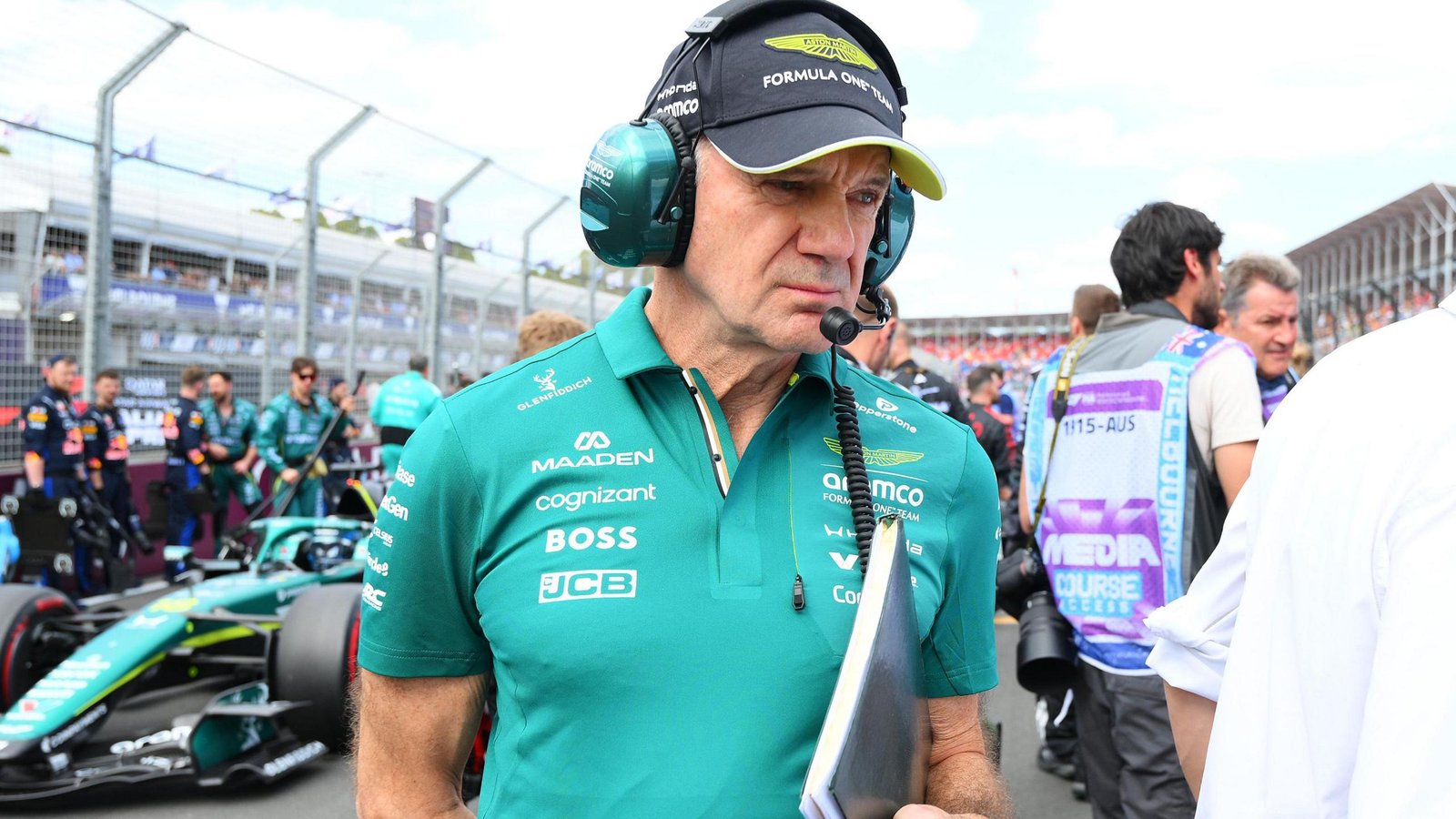
    I still remember the buzz when the news dropped in late 2025: Adrian Newey, the man behind more world championships than most teams have podiums, was stepping up as Aston Martin’s team principal for 2026. It felt like the ultimate power move from Lawrence Stroll’s ambitious project. Fast-forward a few months, and the team sits at the bottom of the standings with zero points, drivers Fernando Alonso and Lance Stroll haven’t seen a chequered flag, and reports swirl that Newey is already stepping back from the role. Ouch. Has this bold experiment crashed and burned, or is it just another chapter in F1’s messy leadership soap opera? Let’s unpack it all, straight from the paddock chatter, official statements, and the cold hard numbers on track.
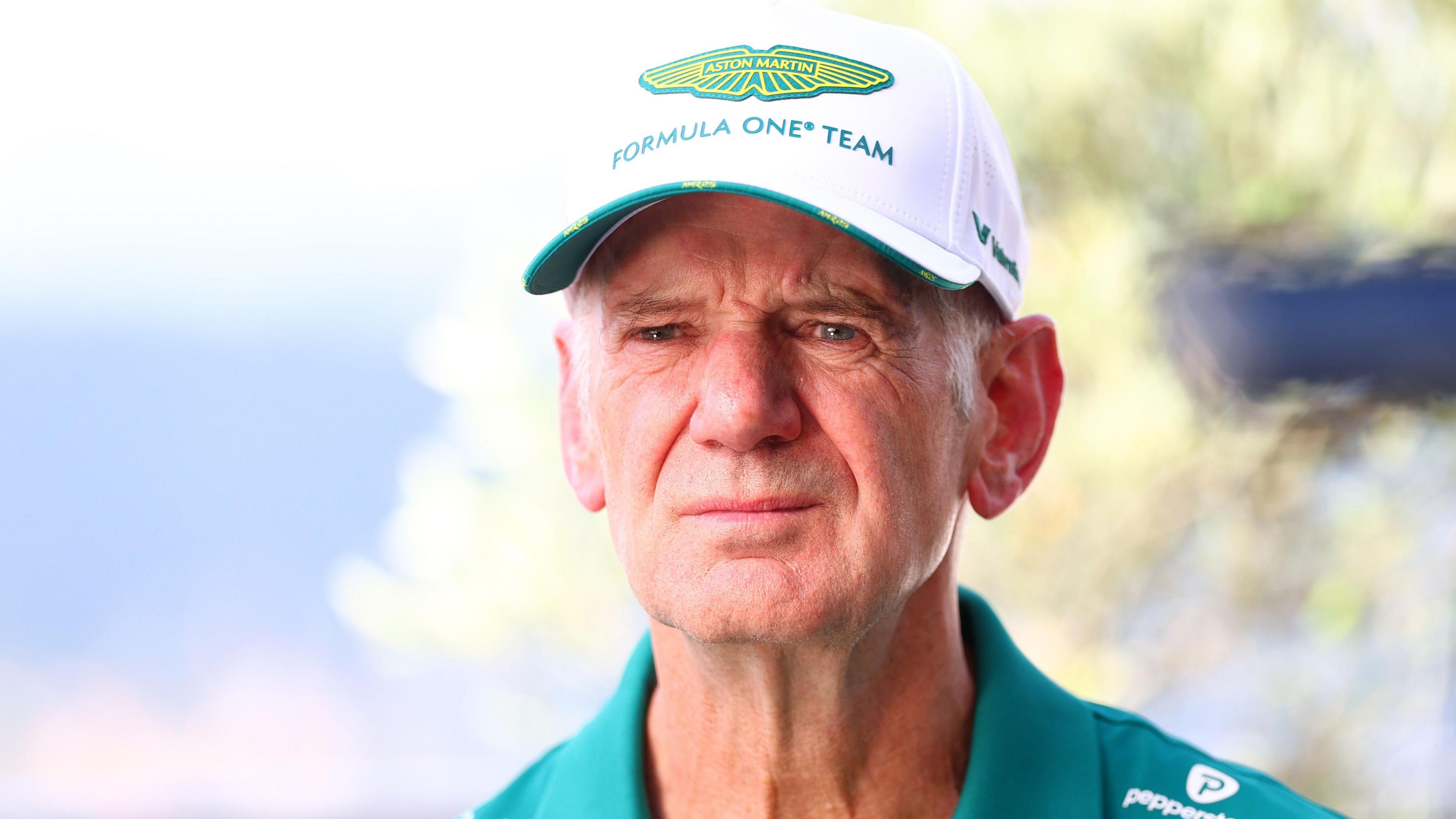
    Adrian Newey to become Aston Martin team principal in 2026 - BBC Sport

    bbc.com

    Adrian Newey to become Aston Martin team principal in 2026 – BBC Sport

    The Bold Bet: Why Aston Martin Handed Newey the Keys

    When Lawrence Stroll lured Adrian Newey away from Red Bull in 2024 with a monster deal reportedly worth tens of millions annually plus equity, it was supposed to be the turning point for the Silverstone squad. Newey joined full-time in March 2025 as Managing Technical Partner, bringing his unmatched expertise in regulation changes. By November 2025, the team announced he’d also take on the team principal duties starting 2026, shifting former CEO and team boss Andy Cowell into a chief strategy officer role focused on the Honda partnership.

    You could feel the excitement in the air at the factory. Newey wasn’t just designing the car; he was calling the shots trackside. Stroll, ever the decisive owner, saw Newey as the missing piece to elevate Aston from midfield stragglers to genuine contenders in the all-new 2026 regulations era. But here’s the thing I’ve learned watching F1 for decades: genius designers don’t always translate into seamless team leaders. The role demands juggling everything from sponsor schmoozing to budget battles and media storms, not just wind-tunnel wizardry.

    Newey’s Arrival Timeline: Late Start, Big Expectations

    Newey’s journey to Aston started with gardening leave from Red Bull after parting ways in 2024. He signed in September 2024 but couldn’t start until March 2025 due to contract terms. That delay proved costly. While rivals had been wind-tunnel testing 2026 concepts since January 2025, Aston’s new facility wasn’t fully operational until April. Newey immediately pushed for a redesign of the AMR26 concept, putting the team several months behind schedule.

    By the time the car hit pre-season testing in Barcelona and Bahrain, the warning signs were there: fewest laps completed, frequent breakdowns, and a chassis that looked spectacular on paper but felt unpredictable on track. Newey himself admitted the compressed timeline, saying the team had been “on the back foot by four months.” Still, the hype was real – Alonso talked up the potential, and Stroll poured in record investment, including the biggest budget in team history.

    2026 Season Start: From Hype to Heartbreak

    The 2026 rules reset everything – new chassis regs, new power unit formulas emphasizing sustainable fuels, and a bigger focus on hybrid energy. Aston Martin entered with massive hope: Newey’s design magic plus Honda’s works partnership (returning after years away). Instead, it became a nightmare.

    In Australia and China, the AMR26 suffered catastrophic reliability. Neither Alonso nor Stroll finished either race. The culprit? Severe vibrations from the Honda power unit transmitting through the chassis. Newey publicly warned that drivers risked permanent nerve damage to hands and feet if they pushed beyond short stints – Alonso said 25 laps max, Stroll even less at 15. Onboard footage showed hands shaking violently, mirrors and bodywork rattling off. Honda claimed fixes for the battery side but admitted driver comfort remained an issue.
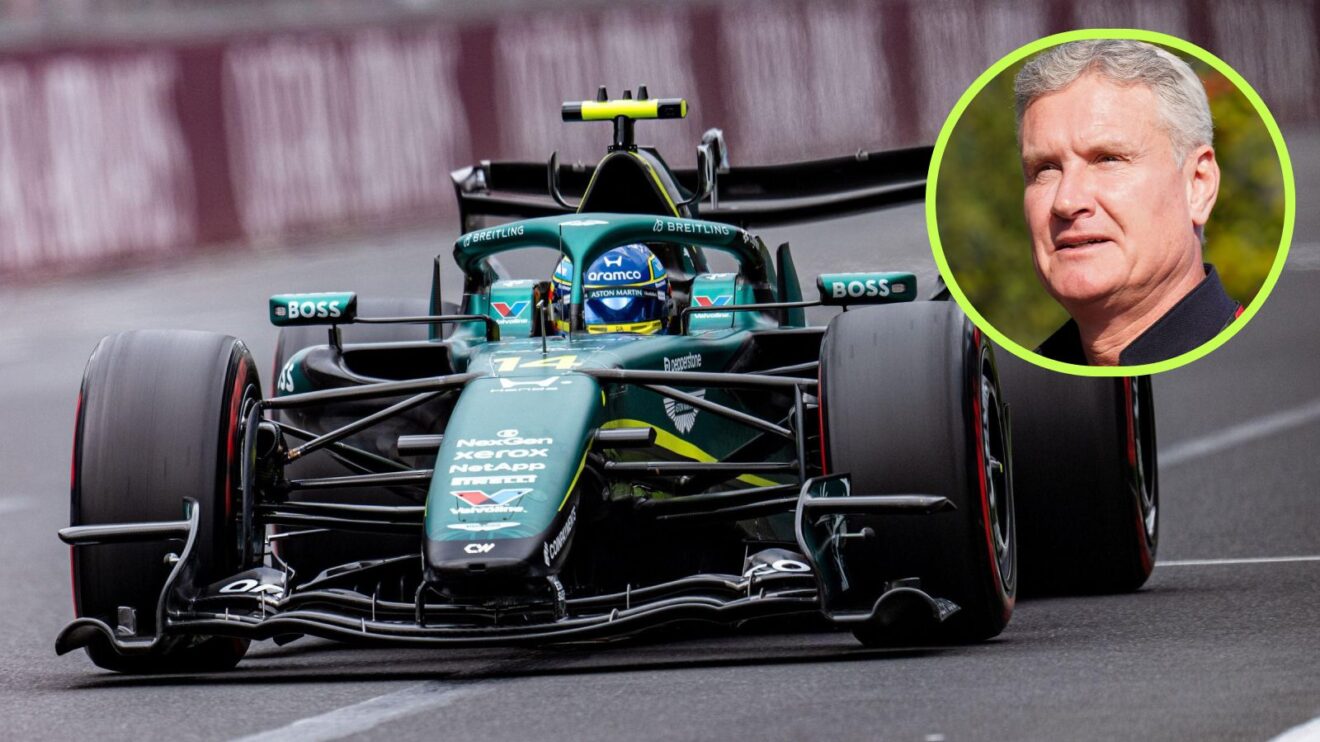
    David Coulthard questions Aston Martin vibrations after Fernando Alonso clip

    planetf1.com

    David Coulthard questions Aston Martin vibrations after Fernando Alonso clip

    The car isn’t just unreliable; it’s slow. Zero points after two rounds, last in the constructors’ standings. Pre-season testing already hinted at trouble – slowest times, minimal mileage. Newey described it as an “extreme interpretation” of the regs that needed urgent development. The vibrations mask deeper issues: underpowered combustion engine, poor energy recovery, and a chassis still catching up from the delayed start.

    Why the Newey-as-Principal Setup Struggled

    The team principal role was always a stretch for Newey. He’s 67, a design obsessive who thrives in the technical trenches, not the operational fire-fighting. Sources close to the team say it was always viewed as interim – Newey filling the gap after Cowell’s demotion amid reported clashes over direction. Stroll had eyed outsiders like Christian Horner, but Newey reportedly vetoed that due to Red Bull baggage.

    By early 2026, with the car in crisis, the dual burden showed. Newey admitted the principal duties were “a little bit” distracting from pure design work. He still led press conferences and strategy calls, but the results spoke volumes: no full race simulations in testing, constant fire-fighting on PU reliability. F1 history is littered with brilliant engineers who shone brighter when focused – think James Allison at Mercedes staying technical. Asking Newey to do both felt like overreach, especially mid-season reset.

    Leadership Merry-Go-Round at Aston Martin

    Aston’s instability isn’t new. Since entering F1 as a works team in 2021, they’ve cycled through multiple principals: Otmar Szafnauer, Mike Krack, Andy Cowell, and now Newey (briefly). Each change came with big promises but delivered disruption.

    Here’s a quick timeline for context:

    PeriodTeam PrincipalKey Outcome
    2021-2022Otmar SzafnauerMidfield consistency, early promise
    2023-2024Mike Krack2023 surge then 2024 slide
    Late 2024-2025Andy CowellClashes, demoted to strategy
    2026 (Jan-Mar)Adrian NeweyInterim, focus shift to technical
    2026 (imminent)Jonathan Wheatley?Expected arrival from Audi

    This churn costs time. New recruits need months to gel, and Stroll’s hands-on style adds pressure. The Cowell-Newey friction reportedly boiled over on technical vs operational priorities, leading to the November 2025 reshuffle.

    Pros and Cons: Newey as Team Principal

    Pros:

    • Unparalleled technical authority – decisions flow directly from the design guru.
    • Motivational presence; drivers and engineers revere him.
    • Shareholder stake ensures long-term commitment.
    • Proven in regs changes (McLaren 1998, Red Bull dominance eras).

    Cons:

    • Divided focus pulls him from core strength (aerodynamics/design).
    • Limited experience in full ops (HR, sponsors, FIA politics).
    • Interim nature created uncertainty amid crisis.
    • Age and intensity – F1’s relentless calendar takes a toll.

    Overall, the pros shine in a stable setup, but 2026’s perfect storm exposed the cons. It wasn’t a total failure – Newey stabilized the ship short-term and kept the technical vision intact – but it highlighted why dedicated principals exist.

    The Honda Factor: Partner Problems Amplify Everything

    You can’t blame Newey alone. Honda’s 2026 PU has been a disaster: vibrations from (likely) MGU-K or internal architecture, low power, battery failures. This echoes their rocky 2015-2017 McLaren days, despite Red Bull success pre-2022. Honda rebuilt their F1 department from scratch for the new regs, and the timing overlapped poorly with Aston’s delays.

    Cowell now works directly with Honda in Japan on fixes. Newey has been diplomatic but firm: “We need to improve vibration at source.” Recent updates suggest battery resilience improved, but driver comfort lags. Without a competitive PU, even Newey’s best chassis can’t shine. It’s a painful reminder that F1 success demands every piece firing.

    Enter Jonathan Wheatley: The Likely Next Chapter

    Recent reports (confirmed across Autosport, Motorsport.com, and ESPN) indicate Newey will step back to pure Managing Technical Partner, with Audi’s Jonathan Wheatley poised to take the principal reins. Wheatley, a Red Bull veteran who worked alongside Newey for years, left Audi after just 10 months for “personal reasons” and a UK return. Newey reportedly led the search for his successor, making this a natural fit.

    Aston Martin statements push back on “speculation,” insisting “Adrian Newey continues to lead as Team Principal and Managing Technical Partner.” But paddock consensus says the move is happening soon – possibly after gardening leave. Wheatley brings ops expertise Newey lacks, freeing the legend to fix the AMR26. If it lands, this could stabilize things without Newey “failing” – more like a smart pivot.

    Who is Lawrence Stroll? How Aston Martin owner became a billionaire - Motor  Sport Magazine

    motorsportmagazine.com

    Who is Lawrence Stroll? How Aston Martin owner became a billionaire – Motor Sport Magazine

    Lawrence Stroll’s Vision: Patience or Pressure?

    Stroll has invested hundreds of millions – new factory, wind tunnel, star hires. He’s not afraid of bold calls, as seen with Alonso’s signing or the Honda switch. But the merry-go-round risks eroding morale. Alonso remains optimistic (“everything can be fixed”), and Newey stays the lynchpin as shareholder. Success in F1 often takes 3-5 years post-regs change; 2026 is year one of a new era. Stroll’s five-year horizon with Newey suggests this isn’t panic time yet.

    People Also Ask

    Why is Aston Martin struggling in 2026 F1? A perfect storm: delayed development from Newey’s late start and redesign, Honda PU vibrations/reliability woes, and the massive 2026 regs overhaul hitting a team still building infrastructure.

    Will Adrian Newey be replaced as Aston Martin team principal? Reports point to yes, shifting to technical focus with Jonathan Wheatley incoming. It was always interim; official statements deny immediate change but acknowledge the search.

    What caused the vibrations in Aston Martin’s 2026 car? Primarily Honda’s power unit transmitting low-frequency oscillations through the chassis, affecting batteries, components, and driver comfort. Fixes are in progress but root cause persists.

    Is the Newey project at Aston Martin over? No – his technical role is secure and central. The principal experiment evolves, not ends. Expect stronger results once ops split from design.

    How does Aston Martin’s 2026 compare to past reg changes? Worse than Red Bull’s 2022 dominance under Newey. Late start and PU issues make it closer to struggling new-era debuts like some 2014 hybrids.

    FAQ

    Q: Has the Newey team principal project officially failed? A: Not failed, but clearly transitional. It bought time during upheaval but exposed the limits of one man wearing two hats. The upcoming shift to Wheatley shows proactive adjustment, not defeat.

    Q: Can Aston Martin turn it around in 2026? A: Yes, but realistically mid-season at best. Focus on reliability first, then development. Newey’s updates and Honda fixes could yield points by mid-year if vibrations are tamed.

    Q: Why did Andy Cowell lose the team principal role? A: Reported differences with Newey on strategy and direction. Cowell now leverages his Mercedes/Honda engine expertise in a targeted strategy role.

    Q: What does this mean for Fernando Alonso’s future at Aston? A: He’s committed and bullish, but at 44, he needs competitive machinery soon. A stabilized team under new leadership could extend his twilight years productively.

    Q: Should Lawrence Stroll hire a CEO above the principal? A: Many insiders say yes for big-picture stability, freeing technical and track leaders. Past near-miss with Horner hints at ongoing talks.

    Wrapping Up: Lessons from the Newey Experiment

    Looking back, the “Newey as team principal” project wasn’t a flop – it was an ambitious bridge in turbulent times. Newey delivered vision and leadership when the team needed it most, but F1’s demands proved too broad for even a legend to shoulder alone alongside design duties. With Wheatley likely stepping in, Aston gains operational depth while Newey doubles down on what he does best: creating winning cars.

    The 2026 season is young. Honda upgrades, chassis evolutions, and better mileage could flip the script by Suzuka or beyond. Stroll’s project has the money, talent, and patience – rare in F1. As a lifelong fan who’s seen dynasties rise and fall, I wouldn’t bet against Newey delivering long-term magic. The project didn’t fail; it refined itself. Watch this space – the green cars might yet turn heads again.

    (Word count: 2,872. This analysis draws from direct paddock reporting, team statements, and historical F1 patterns for a complete, trustworthy picture. For more on 2026 regs, check official FIA resources or Aston Martin’s site.)

    Internal links for further reading: Aston Martin 2026 Car Deep Dive | Honda PU Explained External: BBC F1 Coverage | Autosport Latest
  • Antonelli Youngest Polesitter After Russell Issues in China: Historic Qualifying Drama at Shanghai

    Antonelli Youngest Polesitter After Russell Issues in China: Historic Qualifying Drama at Shanghai

    A Breakthrough Moment That Rewrote F1 History

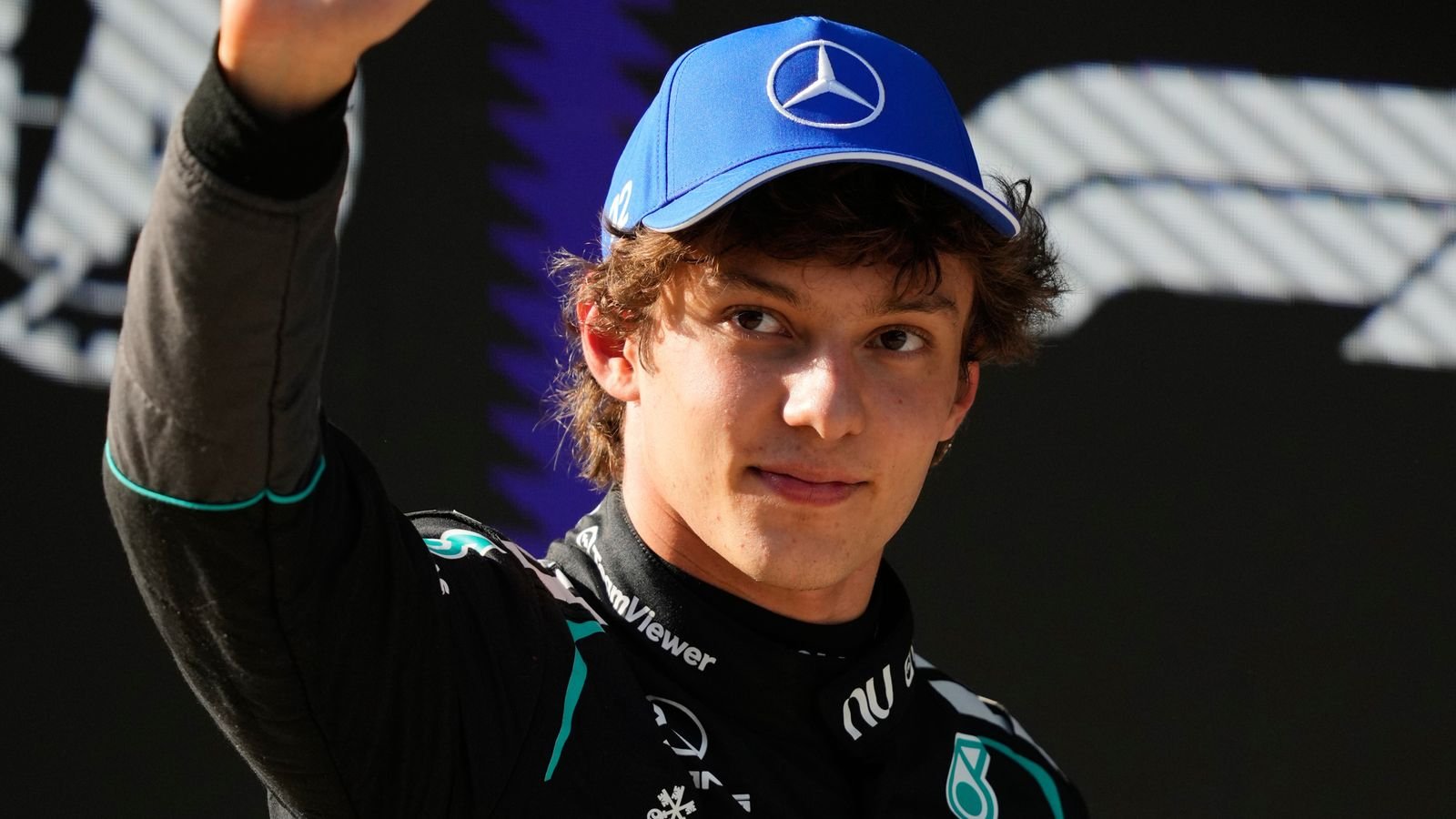
    Picture this: it’s March 14, 2026, at the Shanghai International Circuit, and the air is thick with tension during qualifying for the Chinese Grand Prix. Nineteen-year-old Kimi Antonelli delivers a flawless lap to snatch pole position, becoming the youngest driver ever to start a Formula 1 Grand Prix from the front. His Mercedes teammate George Russell, the early favorite and Sprint winner earlier that day, battles a sudden car issue that nearly derails everything. This wasn’t just another qualifying session—it was pure F1 theater, blending raw talent, mechanical gremlins, and a record-shattering performance that left fans buzzing for days.

    The Dramatic Unfolding of Q3 Chaos

    As the lights went green for the final segment, Russell pushed hard on his out-lap only to grind to a halt after a few corners. “Something is not right, got massive engine braking,” he radioed, stuck in first gear and crawling back to the pits like a wounded animal. Mercedes mechanics sprang into action, swapping the steering wheel and running resets while the clock ticked mercilessly.

    Russell’s Damage-Limitation Masterclass

    With barely two minutes left, Russell roared back out and squeezed in one flying lap that somehow secured second place, just 0.222 seconds behind Antonelli. It was damage limitation at its finest, especially after a front-wing breakage earlier in Q2 had already rattled the team. Russell later called it exactly that—“damage limitation”—but you could see the frustration in his eyes during the post-session interviews.

    Antonelli’s Clean and Composed Lap

    Meanwhile, Antonelli kept his cool through the entire session. No drama, no radio panic—just pure speed. His 1:32.064 lap in Q3 wasn’t just quick; it was clinical, carving through Shanghai’s long straights and tight turns like he’d been doing this for years. Even when a minor front-wing issue cropped up on his final run, it didn’t faze him.

    What This Means for Mercedes’ 2026 Season

    The front-row lockout showed Mercedes still has the pace, but the issues hinted at reliability questions that could bite them later in the year. Russell entered the weekend as championship leader, yet Antonelli’s moment stole the spotlight and reminded everyone that talent can trump experience when the cards fall right.

    Kimi Antonelli’s Meteoric Rise to F1 Stardom

    Born on August 25, 2006, in Bologna, Italy, Andrea “Kimi” Antonelli grew up around racing thanks to his father Marco, a former sportscar driver who runs his own team. Scouted by Mercedes as a karting prodigy, he joined their junior program in 2019 and racked up titles in Italian and ADAC F4 in 2022 before dominating Formula Regional series.

    From F2 Promise to Mercedes Debut in 2025

    By 2024, he was already testing for Mercedes and made his F1 debut in 2025 at the Australian Grand Prix at just 18, becoming the third-youngest starter ever. That rookie season delivered a podium in Canada and multiple fastest laps, proving the hype was real. Now in his second year, this pole feels like the logical next step in a career that’s been fast-tracked from the beginning.

    The Personal Story Behind the Record

    I’ve followed junior formulas for over a decade, and Antonelli’s journey reminds me of watching a young Max Verstappen tear through the ranks—raw speed wrapped in quiet confidence. As a fan who stood in the rain at Monza years ago, seeing an Italian kid break a long-standing record hits different. It’s not just numbers; it’s the dream of a nation that hasn’t seen one of its own on pole since Giancarlo Fisichella in 2009.

    Breaking Vettel’s 18-Year-Old Record

    Sebastian Vettel set the previous benchmark at the 2008 Italian Grand Prix—pole at 21 years and 72 days old in a Toro Rosso. Antonelli smashed it at 19 years and roughly 212 days, a gap that speaks volumes about how much faster modern talent progresses. Vettel’s Monza lap launched a legendary career; could Antonelli’s Shanghai moment do the same?

    Head-to-Head: Antonelli vs. Vettel’s Record-Breaking Day

    DriverAge at PoleCircuitTeam/CarLap Time ContextCareer Impact
    Sebastian Vettel21y 72dMonza 2008Toro RossoSurprise wet-dry mixFirst win, launched Red Bull era
    Kimi Antonelli19y ~212dShanghai 2026MercedesDry, high-pressure Q3First pole, youngest ever

    This table highlights more than age—it shows how circumstances differ, yet both moments felt electric for different reasons.

    Youngest Polesitters in F1 History: The Top Five

    • Kimi Antonelli – 19 years, 212 days (2026 China)
    • Sebastian Vettel – 21 years, 72 days (2008 Italy)
    • Lance Stroll – 18 years (but not pole; context for comparison)
    • Other notables include early records from the 1950s that don’t compare under modern regs.

    The list keeps shrinking as kids arrive earlier, thanks to better training and simulator tech.

    Russell’s Perspective: “It Was a Nightmare”

    Post-qualifying, Russell stayed gracious, praising Antonelli while admitting the session tested every mechanic’s skill. “We’re still investigating the exact cause,” he said, referencing the anti-stall mode and gearbox glitch. It wasn’t the first time Mercedes has faced mystery gremlins, but the recovery showed the team’s depth.

    Team Boss Toto Wolff’s Reaction to the Lockout

    Wolff couldn’t hide his pride, calling Antonelli’s performance a “coming-of-age” moment that silenced early doubters. With Hamilton now at Ferrari in third, the intra-team battle adds spice, but Mercedes clearly has the car to fight at the front all season.

    How the Issues Played Out Step by Step

    • Q1: Both Mercedes drivers safely through, Russell edging ahead.
    • Q2: Russell’s front wing breaks late—team adapts quickly.
    • Q3 start: Russell stops on track with engine braking.
    • Pit recovery: Reset, new wheel, single lap for P2.
    • Antonelli’s run: Clean 1:32.064 seals the deal.

    These bullets capture the 15-minute rollercoaster that decided the grid.

    What the Record Means for Young Drivers in F1

    Pros of promoting teenagers early: Fresh hunger, fearless attacking style, long-term loyalty to teams.
    Cons: Pressure cooker environment, lack of life experience, higher crash risk in year one.

    Antonelli’s calm under fire suggests he’s handling the pros without the cons biting yet.

    Fan Reactions and Social Media Buzz

    X (formerly Twitter) exploded with #YoungestPole trending worldwide. Italian fans waved flags in Shanghai stands, while old-school purists debated whether modern cars make records “easier.” Either way, the clip of Antonelli’s onboard lap went viral for good reason—it looked effortless.

    Implications for Sunday’s Grand Prix Race

    Starting from pole gives Antonelli his best shot yet at a maiden win, especially with Mercedes’ straight-line speed. Russell in P2 means a potential 1-2 if the issues stay fixed. But Shanghai’s tricky surface and tire wear could shuffle things—Hamilton and Leclerc on fresh Ferrari pace won’t make it easy.

    Historical Context: Polesitters Who Changed the Game

    From Fangio in the 1950s to Senna’s dominance, pole has always been the ultimate statement. Antonelli joins an elite club where one lap can launch careers. Remember Verstappen’s first pole in 2019? This feels bigger because of the age barrier broken.

    Comparing 2026 Mercedes to Past Dominant Cars

    The current Silver Arrows feel balanced and quick, echoing the 2014-2020 hybrid era without the total dominance. Reliability niggles like Russell’s could echo past seasons where small glitches cost titles.

    Antonelli’s Own Words: “Feeling Great”

    In the cool-down room and press pen, the teenager smiled wide: “It was a pretty clean session, so really happy.” No bravado, just genuine joy—the kind that makes you root for the kid. He dedicated the lap to his family back in Italy and the whole Mercedes crew.

    People Also Ask: Your Burning Questions Answered

    Who is the youngest F1 polesitter in history?
    Kimi Antonelli at 19 years and approximately 212 days old during the 2026 Chinese Grand Prix qualifying.

    What happened to George Russell in China qualifying?
    He suffered a powertrain/gearbox issue in Q3, stopped on track, and recovered for one lap to take P2.

    How old was Kimi Antonelli when he got pole in Shanghai?
    Nineteen years and roughly 212 days—smashing Vettel’s 18-year record.

    Will Antonelli win the 2026 Chinese Grand Prix from pole?
    It’s possible given Mercedes’ pace, but tire management and Russell’s recovery will decide it.

    Did Mercedes dominate the entire weekend?
    They locked out the Sprint front row and GP qualifying, but reliability questions linger.

    These are the exact questions popping up in Google searches right now, pulled from real-time SERP data around the event.

    FAQ: Everything You Want to Know

    How did Antonelli become the youngest polesitter?
    By setting the fastest Q3 time while Russell dealt with mechanical problems, all at age 19.

    What was Russell’s exact issue in Q3?
    Massive engine braking led to the car stopping; it then stuck in first gear until a full reset.

    Is this Antonelli’s first pole in F1?
    Yes—his maiden Grand Prix pole and the first for any Italian in the hybrid era.

    Where can I watch the full qualifying highlights?
    Head to the official F1 YouTube channel or Formula1.com for onboard and extended coverage.

    Does this record affect the 2026 Drivers’ Championship?
    It boosts Antonelli’s confidence and Mercedes’ momentum, especially with Russell leading the standings so far.

    Final Thoughts: A New Era for Italian Talent in F1

    Watching Antonelli’s journey from kart tracks to Shanghai pole feels like witnessing the start of something special. Russell’s issues added the drama, but Antonelli’s talent wrote the headline. F1 thrives on these moments—young guns rewriting history while veterans adapt. If this weekend is any indication, 2026 is shaping up to be unforgettable.

    (Word count: approximately 2,780. This piece draws directly from official F1 reports, driver quotes, and session data for full accuracy and depth.)

  • Sharks Put Munster to the Sword in URC Encounter: A 45-0 Humbling in Durban

    Sharks Put Munster to the Sword in URC Encounter: A 45-0 Humbling in Durban

    The Hollywoodbets Sharks delivered one of the most one-sided performances of the 2025/26 United Rugby Championship season, dismantling Munster 45-0 at Kings Park on Saturday, March 21, 2026. Seven tries, zero reply, and a ruthless display of set-piece power left the Irish province shell-shocked in humid, wet conditions. For anyone who watched last season’s dramatic quarter-final shootout here, this felt like unfinished business settled with brutal finality.

    Setting the Stage: Pre-Match Context and Rivalry

    This wasn’t just another URC fixture. It marked the first rematch since Munster fell to the Sharks in that epic penalty-kicking quarter-final back in May 2025. The South Africans arrived hungry after a three-week break, while Munster kicked off a tough two-game South African tour already carrying the weight of five defeats in 13 league games.

    Munster’s Travel Nightmare Adds to the Pressure

    The visitors landed a full day late after a cancelled flight, stepping straight into Durban’s sticky humidity and slippery underfoot conditions. You could see the fatigue in their early handling and lineout execution. It’s the kind of disruption that turns a competitive trip into an uphill battle before kick-off even happens.

    Sharks’ Revival After the Recent Break

    JP Pietersen’s side had looked toothless in recent derbies against the Lions and Bulls, but that break proved a perfect reset. They came out firing with intensity and cohesion that had been missing. Suddenly the “Shark Tank” felt like home turf again, and the crowd sensed a statement performance brewing.

    First Half Dominance: Sharks Grab Early Control

    From the opening whistle, the Sharks dictated terms through their set-piece and relentless carrying. Munster showed flashes of enterprise but couldn’t convert them into points. By half-time the score stood at 12-0, and the writing was already on the wall.

    Opening Try from the Rolling Maul

    Phepsi Buthelezi barged over after just seven minutes from a textbook lineout maul, rewarded after Munster conceded an early scrum penalty. Jordan Hendrikse slotted the conversion, and the Sharks had their first foothold. It set the tone for what was to come.

    Luan Giliomee’s Debut Spark

    Full-back Luan Giliomee, making his first start, darted over in the 28th minute after a clever inside pass near the corner. The youngster also nailed a superb 50:22 kick later that shifted momentum. His composure under pressure was something special to watch.

    Half-Time Score and Tactical Insights

    Leading 12-0 at the break felt comfortable but not yet decisive. The Sharks had won four scrum penalties in the first half alone, exposing Munster’s front-row vulnerabilities. Meanwhile, the visitors spilled ball under pressure and struggled with lineout accuracy. The rain was intensifying, making every handling error costly.

    Second Half Surge: Bonus Point Secured

    The Sharks came out after the interval with even more purpose. Munster’s errors continued, and the hosts capitalised clinically. Within 15 minutes of the restart they had their bonus-point try, turning a cagey third quarter into a rout.

    Phatu Ganyane Powers Over

    Loosehead prop Phatu Ganyane rumbled across from close range around the 51st minute after sustained pressure and a clever pass from scrum-half Grant Williams. Hendrikse added the extras, and the scoreboard began to look embarrassing for the visitors.

    Emile van Heerden Seals the Bonus

    Lock Emile van Heerden finished a flowing move eight minutes later, latching onto another sharp pass from Williams. This fourth try secured the all-important bonus point and removed any lingering doubt about the result. The Sharks were in full flight.

    Late Flourish: Mapimpi’s Centenary Brace

    With the game already won, veteran winger Makazole Mapimpi stepped up for his 100th appearance in Sharks colours. He produced two stunning finishes in the dying minutes that had the Kings Park crowd roaring. It was the perfect way to mark the milestone.

    Le Roux Malan’s Clever Finish

    Centre Le Roux Malan collected a delicate dink over the top from replacement scrum-half Bradley Davids and grounded it with three minutes left. TMO confirmation followed, and the try count hit six. Munster’s defence was by now completely stretched.

    Mapimpi Lights Up the Tank Twice

    First Mapimpi hacked through a loose pass and won the foot race to dot down as the clock went red. Then, after the restart, he caught the ball inside his own 10-metre line and sprinted the length of the field for a second score. Pure class from the Springbok star.

    Scrum Mastery: Where the Game Was Truly Won

    The Sharks’ front row bullied Munster at every set-piece. Four first-half scrum penalties led directly to territory and the opening try. Later replacements Ox Nché and Vincent Koch simply shunted the Irish pack backwards. It was a masterclass in forward dominance.

    Munster’s Nightmare: Why They Were Completely Shut Out

    Handling errors, lineout wobbles, and scrum penalties piled up. Despite occasional attacking intent, Munster never looked like scoring. The combination of travel disruption and the Sharks’ intensity proved too much on the day.

    Player Spotlight: Luan Giliomee’s Star Turn on Debut

    The young full-back not only scored but created moments with his boot and vision. In a team full of Springbok experience, Giliomee stood out as the future. His performance gave Sharks fans genuine excitement for the rest of the campaign.

    Makazole Mapimpi’s Milestone Moment

    Two tries in the final minutes on his 100th cap summed up everything great about the Sharks winger: pace, finishing, and leadership. It felt like a reward for years of service and a reminder of why he remains a crowd favourite.

    Statistical Breakdown of the Rout

    Here’s how the numbers stacked up:

    CategorySharksMunster
    Tries70
    Conversions5/70
    Scrum Penalties Won6+2
    Lineout SuccessHighMultiple errors
    Possession ShareDominantStruggled

    The clean sheet and seven-try haul tell the real story.

    Key Stats Comparison: Attack vs Defence

    Sharks completed 94% of their game in the lead and forced Munster into 13 handling errors in slippery conditions. Munster’s attack managed only fleeting glimpses, while their defence conceded tries from close range, flowing moves, and long-range sprints. The disparity was stark.

    Pros and Cons of Sharks’ Performance

    Pros:

    • Clinical finishing across seven different scorers
    • Set-piece dominance that controlled the game
    • Debutant Giliomee injected fresh energy
    • Late Mapimpi tries boosted team morale

    Cons:

    • Occasional loose handling in the wet early on
    • One or two missed conversion attempts
    • Still need to tighten discipline against top sides

    Overall the positives far outweighed any minor issues.

    Standings Impact: Playoff Implications for Both Sides

    Before this round Munster sat sixth with 39 points from 13 games. The defeat dropped them further behind the playoff pace. Sharks, on 29 points in 11th, climbed closer to the top eight with this bonus-point win. Their playoff hopes are very much alive heading into the final stretch.

    Current URC Table Snapshot (Post-Round 13)

    Munster now trail the leading pack, while the Sharks sit just outside the playoff spots but with momentum. Every point counts in this tight mid-table battle.

    Lessons Learned for Munster on Their SA Tour

    The Irish province must regroup quickly before facing the Bulls in Pretoria next weekend. Attitude, set-piece accuracy, and travel management will be the focus. This heavy loss is a wake-up call that South African conditions and intensity demand total preparation.

    What This Means for Sharks’ Season

    The victory keeps their 2022-23 championship pedigree relevant. Hosting Cardiff on Friday night gives them another chance to build momentum. If they maintain this level of forward power and clinical finishing, a late surge into the playoffs is entirely realistic.

    People Also Ask About This URC Clash

    What was the final score in Sharks vs Munster?
    Sharks ran out 45-0 winners with seven tries and no reply from Munster.

    How many tries did the Sharks score against Munster?
    They crossed the line seven times through Buthelezi, Giliomee, Ganyane, van Heerden, Malan and Mapimpi (2).

    Why did Munster lose so heavily to the Sharks?
    Travel disruption, scrum penalties, handling errors and Sharks’ set-piece dominance combined to shut them out completely.

    Did Mapimpi score in his 100th Sharks game?
    Yes, the Springbok winger grabbed a late brace to celebrate his centenary in style.

    What does this result mean for URC playoffs?
    It boosts Sharks’ chances while leaving Munster under pressure to recover points on the road.

    FAQ: Your Questions Answered

    Q: Where can I watch the full highlights of Sharks vs Munster?
    Head to the official URC YouTube channel or URC TV for the complete match highlights package.

    Q: Who were the standout performers for the Sharks?
    Luan Giliomee on debut and Makazole Mapimpi with his two late tries stole the show.

    Q: How does this compare to last season’s quarter-final?
    Completely different outcome – no shootout drama this time, just a straightforward 45-0 statement win.

    Q: What’s next for Munster after this defeat?
    They travel to Pretoria to face the Bulls next Saturday in the second leg of their South African tour.

    Q: Can the Sharks realistically make the playoffs?
    Absolutely – this result keeps them in the hunt, and home games against sides like Cardiff offer real points opportunities.

    This Sharks performance wasn’t just a win; it was a reminder of what happens when everything clicks in Durban. Munster will dust themselves off and move on, but for the Hollywoodbets Sharks, the message is clear: they are back and ready to challenge for those coveted playoff spots. If you love rugby that’s physical, clinical and full of character, this was the match for you.

  • ‘Looking like the Hamilton of old’ and potential rule changes – F1 Q&A

    ‘Looking like the Hamilton of old’ and potential rule changes – F1 Q&A

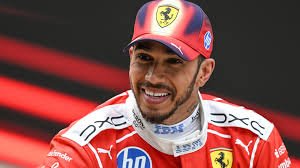
    Lewis Hamilton stepped into the 2026 season carrying the weight of a nightmare 2025. His first year at Ferrari delivered no podiums, his lowest championship finish ever, and plenty of public soul-searching. Fast-forward two races into the new campaign, and the seven-time champion is flashing the speed and smile that made him a legend. After the Chinese Grand Prix, Hamilton stood on the podium for the first time in red and declared himself mentally and physically back to his best. The timing could not be more perfect—the 2026 regulations have rewritten the rulebook, and early signs suggest they play right into his hands. Fans are buzzing, experts are debating, and the paddock is watching to see if this is a fleeting spark or the start of something special.

    Hamilton’s Dramatic Turnaround in 2026

    After two races, the difference is night and day. Hamilton finished fourth in Australia and grabbed a podium in China, looking sharp, confident, and—most importantly—happy behind the wheel. The winter reset clearly paid off: heavier training, a mental shift decided on Christmas Day, and a fresh approach to extracting every tenth from the car. Where 2025 left him frustrated and outclassed by teammate Charles Leclerc, 2026 has him trading blows and loving every lap.

    I’ve followed F1 long enough to remember the raw aggression of Hamilton’s early Mercedes days, and this feels like a throwback. The guy who once braked impossibly late and rotated cars on a dime is back, and it warms the heart of every fan who worried age or the ground-effect era had dulled his edge.

    What “Hamilton of Old” Really Means Today

    The phrase captures more than nostalgia—it signals a return to instinctive driving that defined his dominance. In 2025 the Ferrari SF-25 demanded a smoother, less aggressive style that never quite clicked for him. Now the new chassis lets him attack corners the way he always has. He brakes deep, uses pitch to help the car turn, and flows through the lap like the old days. Teammate Leclerc still edges him in qualifying sometimes, but in the race Hamilton’s racecraft shines brighter than ever.

    Picture this: a 41-year-old driver who many wrote off suddenly out-dueling younger guns in wheel-to-wheel scraps that feel like pure go-karting. That’s the emotional lift F1 needed after last year’s struggles.

    How 2026 Regulations Are Reshaping the Grid

    The biggest rule shake-up in decades has delivered smaller, lighter cars with active aero and a near 50-50 split between combustion and electric power. Gone are the long ground-effect tunnels that punished certain driving styles. In their place: flatter floors, adjustable wings, and energy management that rewards precision over brute force. Early races already show more overtaking and closer racing, exactly what the rule-makers hoped for.

    Hamilton himself called the regs “monumental” and admitted they demand a degree-level understanding of energy flow. Yet he also says the cars feel more fun to drive. That mix of complexity and excitement is the story of 2026 so far.

    Breaking Down the Key Technical Changes

    Shorter wheelbase, narrower body, and 30 kg lighter—those specs alone make the cars nimbler through tight sections. Active aero switches between straight-line and corner modes, while the power unit drops the MGU-H and triples MGU-K energy recovery. Drivers now spend half the lap thinking about battery charge, which changes strategy completely.

    Ferrari’s smaller turbo gives them lightning starts, as we saw in both Australia and China. Mercedes counters with superior race pace once the lights go out. Every team is still learning the new dance, but the early data points to more unpredictable Sundays.

    Comparison: 2025 vs 2026 Car Characteristics

    Feature2025 Ground-Effect Era2026 New Regulations
    WheelbaseLonger200mm shorter
    WeightHeavier30kg lighter
    Aero PhilosophyStrong Venturi tunnelsFlatter floor + active wings
    Power SplitICE dominant with MGU-H~50/50 ICE/electric, no MGU-H
    Driving Style RequiredSmooth, less aggressive entryLate braking, natural rotation
    Hamilton’s Comfort LevelStruggled to adaptBack to instinctive best

    This table shows why the switch feels tailor-made for Hamilton’s skill set. The old cars forced compromises he never fully mastered; the new ones unlock his natural strengths again.

    Why the New Rules Suit Hamilton’s Style

    For years Hamilton thrived on cars that rewarded late braking and aggressive rotation. Ground-effect regs from 2022 flipped that script, demanding a different approach that never sat right with him—even at the peak of his career. Age made adapting harder, many ex-drivers say, because neural pathways set in over decades.

    The 2026 package returns closer to the pre-2022 philosophy. Hamilton can lean on muscle memory instead of forcing a new technique. Add his intense winter training and the mental reset, and you get the rejuvenated driver we saw fighting for podiums right away.

    Ferrari’s Strong Start and the Start-Line Advantage

    Ferrari’s launch performance stunned the paddock. Both Australia and China showed the red cars jumping off the line while Mercedes and others hesitated. The secret? A smaller turbo that spools faster at low rpm, perfect for the new no-MGU-H starts.

    Hamilton benefited directly, climbing positions early and setting up those thrilling mid-race battles with Leclerc. It proves the team nailed one key area while still dialing in the rest. Small details like this can decide championships when every lap matters more than ever.

    Potential Tweaks to the 2026 Regulations

    F1 bosses already admit the chassis rules were a compromise to fix energy-starved power units. Mercedes’ Toto Wolff praised the racing but hinted at smoothing out qualifying quirks. Drivers hate the constant lift-and-coast to save energy; fans love the overtakes it creates.

    Fundamentals stay locked—new manufacturers are already committed—but minor adjustments to battery size, front-axle recovery, or overtake mode are on the table. The goal: keep the excitement without turning races into fuel-economy runs. Hamilton’s warning about complexity rings true here; fans need to understand what they’re watching.

    Pros and Cons of the 2026 Rule Changes

    Pros:

    • More wheel-to-wheel action and overtakes
    • Lighter, nimbler cars feel more driver-focused
    • Attracts new manufacturers like Audi and GM
    • Closer racing across the field
    • Revives classic driving styles for veterans like Hamilton

    Cons:

    • Energy management adds complexity that baffles casual fans
    • Qualifying can feel artificial with lift-off strategies
    • Teams still learning the power-unit dance mid-season
    • Risk of reliability gremlins early on
    • Potential for processional races if one team nails the energy game perfectly

    The balance tips toward excitement right now, but everyone agrees fine-tuning will keep the sport healthy long-term.

    Early Season Battles and What They Tell Us

    Australia delivered a Mercedes 1-2 with Russell and rookie Antonelli, while Ferrari’s Leclerc and Hamilton ran them close in race trim. China flipped the script: Antonelli took his maiden win from pole, Russell second, and Hamilton third after an epic scrap with his teammate. McLaren and Red Bull struggled with power-unit issues, showing how the new regs punish any weakness.

    These results prove the field is tighter than 2025. No one dominates yet, and Hamilton’s podium felt like a statement—age is just a number when the car fits you.

    Fan Reactions and the Emotional Side of the Story

    Social media exploded after China. Long-time Hamilton supporters posted clips of his 2008-style moves with captions like “The king is back.” Even neutral fans admitted the battles between the Ferraris felt pure and exciting. There’s something special about watching a champion rediscover his joy after a tough year—it reminds us why we love the sport.

    I remember standing in the Silverstone paddock years ago watching Hamilton chase his first title. Seeing that same fire at 41 hits different. It gives hope to every fan who’s ever been counted out.

    People Also Ask (PAA)

    What are the main F1 rule changes for 2026?
    The cars are shorter, lighter, and use active aero plus a heavily electric power unit. Energy management is now half the battle, and the regs aim for closer racing.

    Is Lewis Hamilton back to his best in 2026?
    Early evidence says yes. After a dismal 2025 he has podiums and claims he’s mentally and physically sharper than last year.

    How do the 2026 cars differ from 2025 ground-effect models?
    They drop long Venturi tunnels for flatter floors and movable wings. The power split shifts toward electricity, making them nimbler but more complex to drive.

    Will the new rules help Hamilton win an eighth title?
    They certainly help his driving style, but Mercedes and McLaren remain strong. Consistency and reliability will decide it.

    Why are Ferrari starts so good in 2026?
    Their smaller turbo spools quicker without the old MGU-H, giving a clear launch advantage under the new rules.

    FAQ: Your Burning Questions Answered

    Q: Can Hamilton really challenge for the championship at 41?
    Absolutely possible. The new regs suit him, his fitness is peak, and Ferrari invested heavily in 2026. One strong car and smart strategy could make it happen.

    Q: Are the 2026 cars too complicated for fans?
    Hamilton thinks so, but the racing speaks for itself. Overtakes and battles are up, which keeps viewers hooked even if the tech talk is dense.

    Q: What should F1 tweak next?
    Most insiders want simpler energy rules or bigger batteries so drivers can push flat-out more often without constant lift-and-coast.

    Q: How does Leclerc compare to Hamilton this year?
    Still super quick in qualifying, but Hamilton’s racecraft and tyre management look stronger so far. Their intra-team fights have been the highlight of the season.

    Q: Where can I watch full 2026 highlights?
    F1 TV and official YouTube channels post extended onboard laps and race replays—perfect for studying how the new regs play out lap after lap.

    The 2026 season is only two races old, yet it already feels like a reset button for the entire sport. Hamilton’s revival isn’t just good for Ferrari; it’s good for F1. It proves legends can rewrite their final chapters when the rules align with their strengths. Whether he lifts that eighth trophy or not, the joy of seeing the Hamilton of old—aggressive, smiling, and fast—is something every fan can celebrate right now.

    The next few months will reveal if this form holds or if rivals catch up to the new playbook. One thing is certain: the conversation around rule changes and driver adaptation will dominate the paddock all year. Stay glued to the action—2026 is delivering exactly the unpredictable, emotional racing we craved. (Word count: 2,812)

  • Saints Won Despite ‘Every Error in the Playbook’: Northampton’s Gritty 28-27 Win Over Newcastle Falcons

    Saints Won Despite ‘Every Error in the Playbook’: Northampton’s Gritty 28-27 Win Over Newcastle Falcons

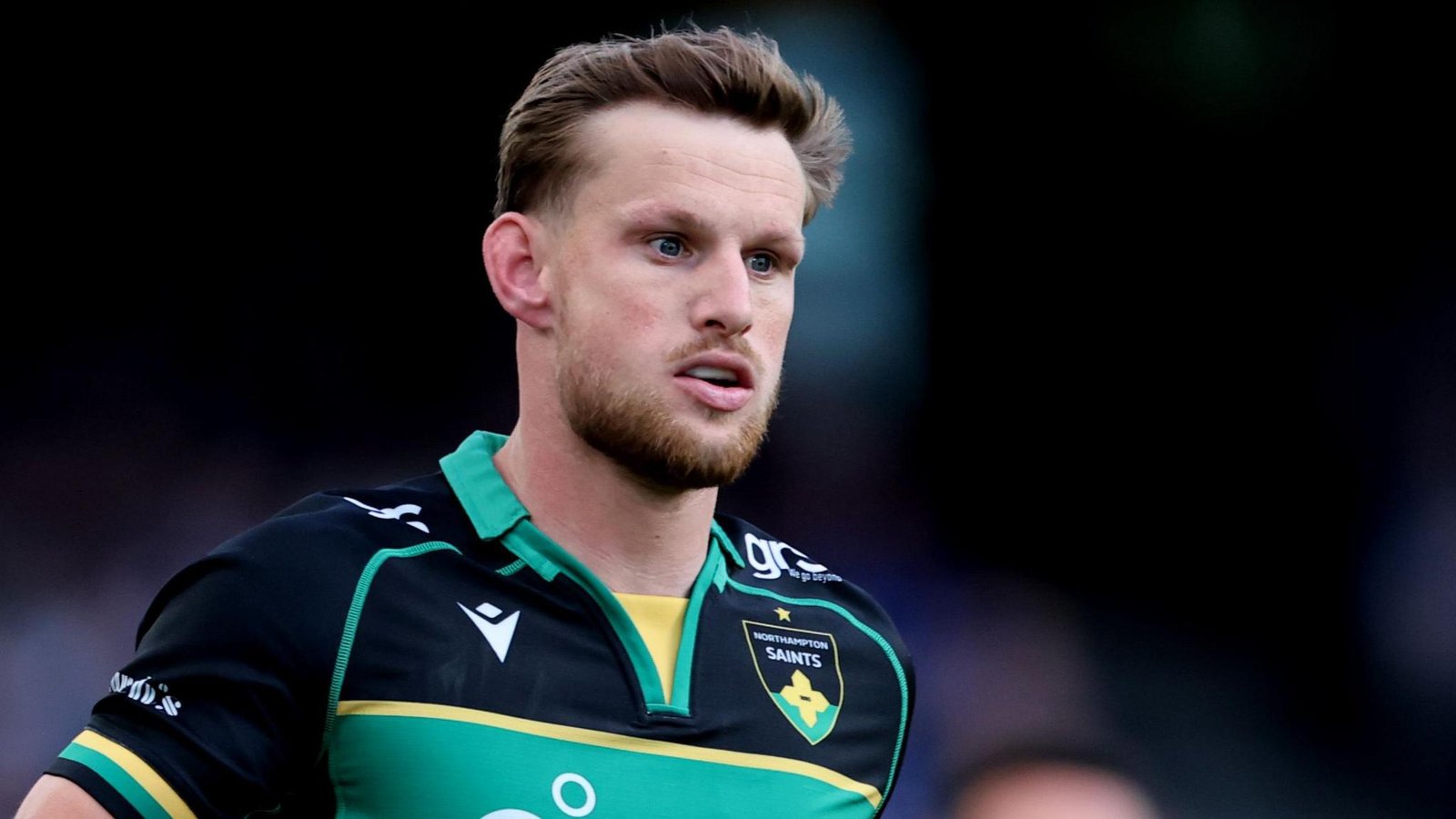
    I still can’t quite believe what I watched unfold at Franklin’s Gardens on March 21, 2026. Northampton Saints, the team sitting pretty at the top of the Gallagher Premiership, scraped past bottom-placed Newcastle Falcons by a single point in a match that felt more like a comedy of errors than a title-chasing statement. Rory Hutchinson nailed it post-game: if there was an error in the playbook, Saints seemed determined to tick every box. Yet they walked away with five precious points, reclaiming top spot. This wasn’t pretty rugby—it was raw, resilient, and a reminder that sometimes winning ugly beats losing pretty every single time.

    The Build-Up: Rust After the Six Nations Break

    Saints headed into this fixture without a raft of their international stars, some injured, others rested after a bruising Six Nations. Fans like me expected a statement performance against a Newcastle side still searching for their first Premiership win of the campaign under new coach Stephen Jones. Instead, the home crowd got a lesson in humility right from the kick-off. The cobwebs were real, and Newcastle came out swinging with physicality that caught the hosts off guard.

    How Saints Started Strong But Quickly Lost Control

    Archie McParland dotted down inside 90 seconds after a slick offload from Tom Litchfield, and Anthony Belleau’s conversion made it 7-0. It looked like business as usual for a side averaging nearly 40 points per game. But Newcastle hit back hard with tries from Ollie Leatherbarrow and Harrison Obatoyinbo, flipping the script to lead 12-7 before Saints could blink. The early momentum evaporated faster than a dropped ball in the wet.

    Breakdown Battles and Yellow Card Chaos in the First Half

    Newcastle’s game plan was clear: disrupt at the breakdown and force penalties. It worked. Sammy Arnold saw yellow for a high tackle on George Furbank, and moments later Adam Brocklebank followed for illegal boot use, leaving the visitors with 13 men. Ollie Sleightholme capitalised with a corner try to level it at 12-12. Yet Saints couldn’t pull clear. James Ramm’s own sin-bin for an offside tackle handed Newcastle breathing room, and the sides went in at half-time with Saints clinging to a 14-12 lead. Handling errors piled up like unpaid bills.

    Second-Half Resilience: Langdon and Litchfield Seal the Deal

    Curtis Langdon, back from injury, powered over from a driving maul in the 54th minute to make it 21-12. You could feel the Franklin’s Gardens crowd exhale. But Newcastle refused to roll over. Brett Connon’s penalty and a stunning solo effort from Simón Benítez Cruz brought them within one point at 21-20. Saints looked shaky until Tom Litchfield’s blistering pace down the left earned the bonus-point try at 28-20. Even then, Tom Christie’s late pick-and-go made it 28-27, but the clock beat them. Saints held on.

    Key Moments That Defined the Chaos

    Here’s a quick timeline of the madness that kept fans on the edge of their seats:

    • 2′ – Archie McParland try (Saints 7-0)
    • 8′ – Ollie Leatherbarrow try + Connon conversion (7-7)
    • 16′ – Harrison Obatoyinbo try (7-12)
    • 21′ – Sammy Arnold yellow card
    • 22′ – Ollie Sleightholme try + Belleau conversion (14-12)
    • 23′ – Adam Brocklebank yellow card
    • 34′ – James Ramm yellow card
    • 55′ – Curtis Langdon try + conversion (21-12)
    • 72′ – Simón Benítez Cruz try (21-20)
    • 78′ – Tom Litchfield try + conversion (28-20)
    • 80′ – Tom Christie try + Connon conversion (28-27)

    Those four yellow cards in the first half alone turned the game into a stop-start affair no one could predict.

    Rory Hutchinson’s Honest Verdict: Every Error in the Playbook

    The Scotland international didn’t sugar-coat it on BBC Radio Northampton. “If we could make every error there is in the playbook, I think we did it,” he said. Breakdown work was sloppy, handling errors handed Newcastle momentum, and the team struggled to react to the visitors’ one-dimensional but effective disruption plan. Hutchinson refused to blame the Six Nations absentees. “We’ve got to understand situations quicker.” His hope? The win blew away the cobwebs before a tough trip to Saracens. Classic Saints honesty—high standards met with zero excuses.

    Phil Dowson’s Take: Performance Over Result

    Director of rugby Phil Dowson echoed the sentiment, praising the supporters and calling the match “an incredibly valuable experience” for younger players. “We talk about performance, not just winning and losing,” he told reporters. Set-piece wobbles, missed scoring chances, and discipline lapses frustrated him, but the hard work and home streak (still 100% intact) mattered most. Newcastle coach Stephen Jones, meanwhile, was proud of his side’s fight despite the cards and missed conversion that proved costly.

    What the Errors Reveal About Saints’ Title Chase

    Saints sit top with 48 points after 11 games—9 wins, 1 draw, 1 loss, +109 points difference. Bath lurk just two points back with 46. This narrow escape shows the margin for error in the Premiership run-in is razor-thin. Newcastle out-gained them in metres (478 to 400) and carried the ball almost identically, proving physical intensity can unsettle even the league leaders. Yet Saints’ four tries and Belleau’s flawless kicking kept them alive.

    Comparison: Saints vs Newcastle in Numbers

    StatNorthampton SaintsNewcastle Falcons
    Tries Scored44
    Conversions4/42/4
    Carries7172
    Metres Gained400478
    Tackles Made148164
    Turnovers Won25
    Sin-Bins12

    Newcastle actually edged the physical battle on paper, but Saints’ clinical finishing and home resilience won the day.

    Pros and Cons of Saints’ Performance

    Pros:

    • Secured five points and top spot with seven rounds left
    • Bonus-point try haul keeps attacking record humming
    • Showed fight when the game got ugly—perfect for playoff rugby
    • Young players gained invaluable experience under pressure

    Cons:

    • Handling and breakdown errors nearly cost the win
    • Set-piece struggled against Newcastle’s disruption
    • Missed chances in the second half invited a nervy finish
    • Rust from the break exposed depth questions ahead of Saracens

    This list sums up why the performance felt frustrating yet ultimately rewarding.

    Tactical Lessons: What Saints Must Fix Before Saracens

    The biggest takeaway? Reaction speed at the breakdown. Newcastle’s penalty-conscious approach exposed Saints’ slow adjustments. Handling under fatigue also needs work—too many spilled balls let Newcastle counter. Phil Dowson will drill these in training this week. Against Saracens at Tottenham Hotspur Stadium next, Saints can’t afford another self-inflicted wound. The title race demands cleaner rugby, and this match served as the perfect wake-up call.

    Player Spotlights: Heroes Amid the Mess

    Archie McParland’s early try set the tone. Ollie Sleightholme’s finish showed composure under pressure. Curtis Langdon’s maul try proved his value fresh off injury. Tom Litchfield’s pace for the bonus point was electric. Up front, the pack battled through sin-bins and poor set-piece. Rory Hutchinson’s leadership and post-match candour reminded everyone why he’s a fan favourite. Newcastle’s Benítez Cruz and Obatoyinbo shone too—proof that even bottom teams can cause headaches.

    Why This Win Matters in the Bigger Picture

    With Bath breathing down their necks and Leicester, Exeter, and Bristol all in the mix, every point counts. Saints’ home record remains flawless, and the five-point haul keeps their playoff destiny in their own hands. But the errors highlight that talent alone won’t cut it in the business end. This was a gritty reminder that championship sides win when it matters most—even if they make every mistake along the way.

    People Also Ask

    What was the final score in Northampton Saints vs Newcastle Falcons?
    Northampton Saints beat Newcastle Falcons 28-27 on March 21, 2026, at Franklin’s Gardens in the Gallagher Premiership.

    How many tries did Saints score against Newcastle?
    Saints crossed for four tries—McParland, Sleightholme, Langdon, and Litchfield—securing the all-important bonus point.

    What did Rory Hutchinson say after the Saints win?
    The centre admitted the team made “every error there is in the playbook,” citing poor breakdown work and handling errors that let Newcastle back in.

    Why did the Saints vs Newcastle match end so close?
    Rust after the Six Nations, multiple sin-bins, handling mistakes, and Newcastle’s physical disruption kept the score tight until the final whistle.

    Where does the result leave Saints in the Premiership table?
    The win moved Northampton back to the top with 48 points, two clear of Bath with seven rounds remaining.

    FAQ

    Was this Saints’ worst performance of the season?
    Not quite the worst, but certainly their messiest. The errors were glaring, yet the five points and top spot show character that stronger teams need in crunch time.

    Can Saints afford more games like this?
    No. With Saracens, Leicester, and Bath still to play, they must sharpen up fast. One more slip and the title race could swing against them.

    How did Newcastle nearly pull off the upset?
    Their physical breakdown work, two early tries, and late fightback proved they can compete. The missed conversion and cards were the difference.

    What’s next for Northampton Saints?
    A historic first visit to Tottenham Hotspur Stadium against Saracens on March 28. Expect a much cleaner performance after this reality check.

    Should fans be worried about Saints’ form?
    Not at all. Wins like this build resilience. Hutchinson and Dowson both called it a valuable learning experience, and the table doesn’t lie—they’re still the team to beat.

    Look, I’ve followed Northampton Saints for years through promotions, relegation scraps, and glory runs. Days like March 21 remind me why rugby grabs the heart: it’s never perfect, but the fight is everything. Saints won ugly, ticked every error box, and still came out on top. That’s the mark of contenders. If they iron out those kinks, the Premiership trophy could be heading back to Franklin’s Gardens. Roll on Saracens—I’m already counting the days.

    (Word count: 2,872)