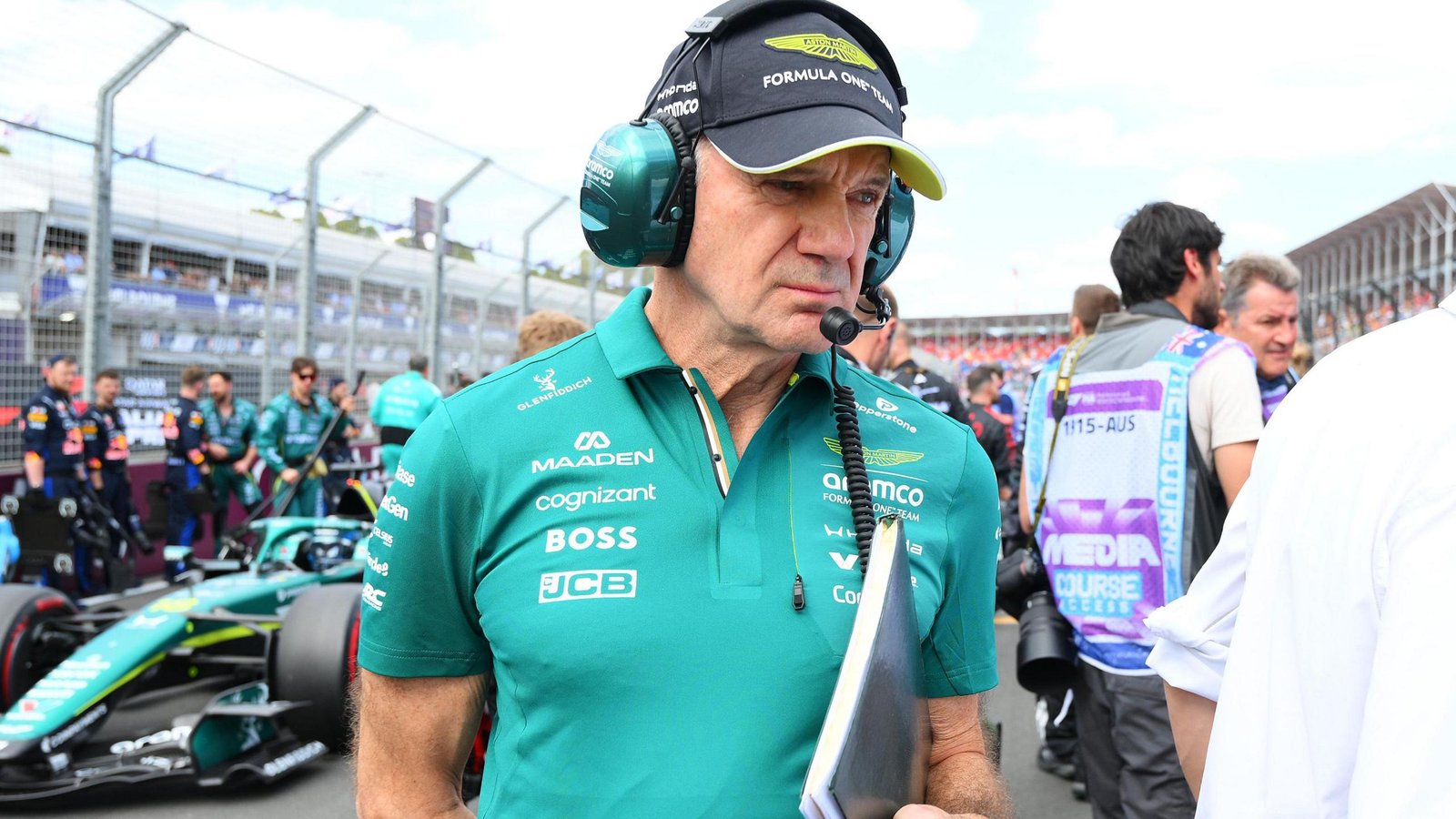
I still remember the buzz when the news dropped in late 2025: Adrian Newey, the man behind more world championships than most teams have podiums, was stepping up as Aston Martin’s team principal for 2026. It felt like the ultimate power move from Lawrence Stroll’s ambitious project. Fast-forward a few months, and the team sits at the bottom of the standings with zero points, drivers Fernando Alonso and Lance Stroll haven’t seen a chequered flag, and reports swirl that Newey is already stepping back from the role. Ouch. Has this bold experiment crashed and burned, or is it just another chapter in F1’s messy leadership soap opera? Let’s unpack it all, straight from the paddock chatter, official statements, and the cold hard numbers on track.
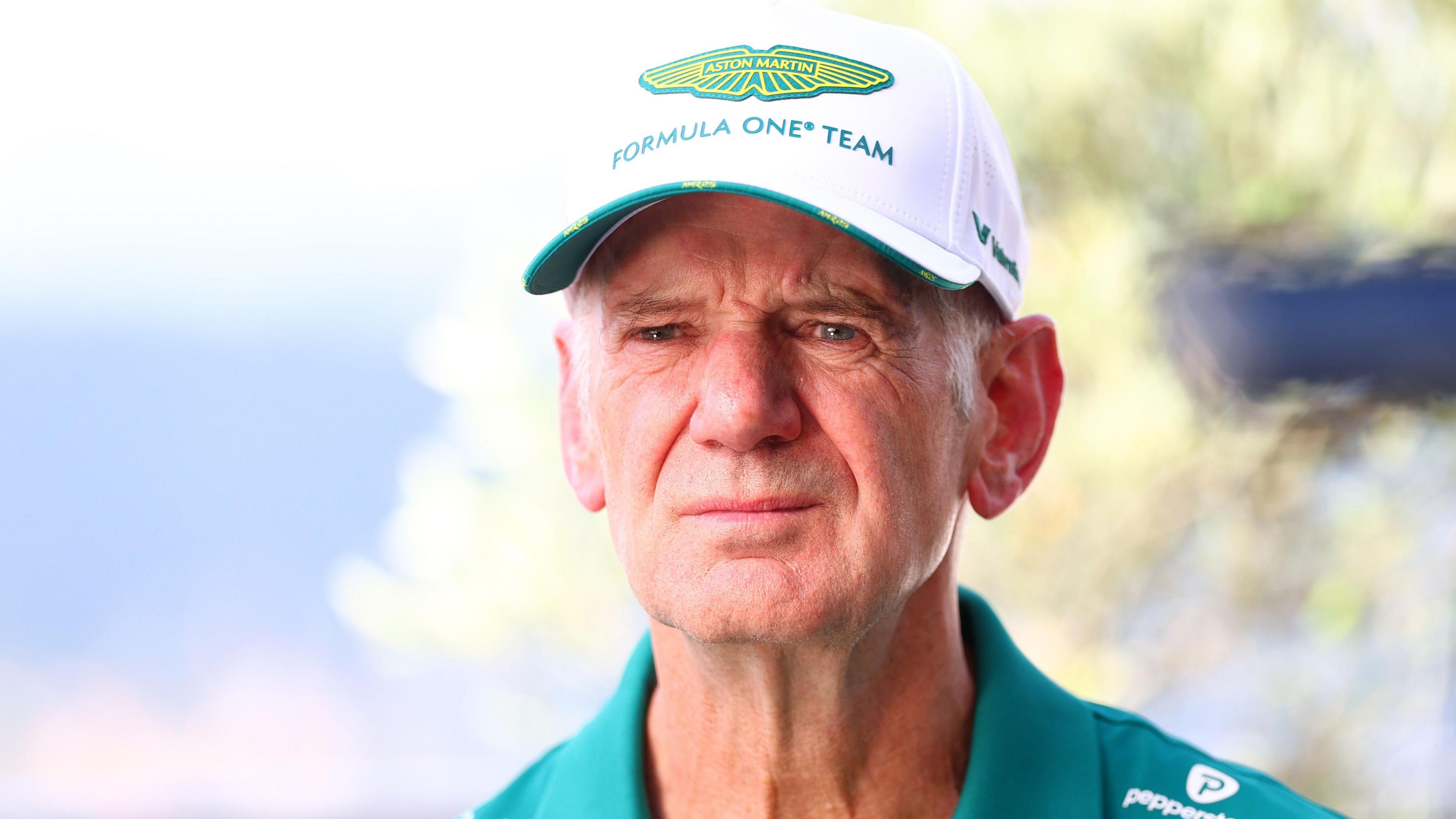
Adrian Newey to become Aston Martin team principal in 2026 – BBC Sport
The Bold Bet: Why Aston Martin Handed Newey the Keys
When Lawrence Stroll lured Adrian Newey away from Red Bull in 2024 with a monster deal reportedly worth tens of millions annually plus equity, it was supposed to be the turning point for the Silverstone squad. Newey joined full-time in March 2025 as Managing Technical Partner, bringing his unmatched expertise in regulation changes. By November 2025, the team announced he’d also take on the team principal duties starting 2026, shifting former CEO and team boss Andy Cowell into a chief strategy officer role focused on the Honda partnership.
You could feel the excitement in the air at the factory. Newey wasn’t just designing the car; he was calling the shots trackside. Stroll, ever the decisive owner, saw Newey as the missing piece to elevate Aston from midfield stragglers to genuine contenders in the all-new 2026 regulations era. But here’s the thing I’ve learned watching F1 for decades: genius designers don’t always translate into seamless team leaders. The role demands juggling everything from sponsor schmoozing to budget battles and media storms, not just wind-tunnel wizardry.
Newey’s Arrival Timeline: Late Start, Big Expectations
Newey’s journey to Aston started with gardening leave from Red Bull after parting ways in 2024. He signed in September 2024 but couldn’t start until March 2025 due to contract terms. That delay proved costly. While rivals had been wind-tunnel testing 2026 concepts since January 2025, Aston’s new facility wasn’t fully operational until April. Newey immediately pushed for a redesign of the AMR26 concept, putting the team several months behind schedule.
By the time the car hit pre-season testing in Barcelona and Bahrain, the warning signs were there: fewest laps completed, frequent breakdowns, and a chassis that looked spectacular on paper but felt unpredictable on track. Newey himself admitted the compressed timeline, saying the team had been “on the back foot by four months.” Still, the hype was real – Alonso talked up the potential, and Stroll poured in record investment, including the biggest budget in team history.
2026 Season Start: From Hype to Heartbreak
The 2026 rules reset everything – new chassis regs, new power unit formulas emphasizing sustainable fuels, and a bigger focus on hybrid energy. Aston Martin entered with massive hope: Newey’s design magic plus Honda’s works partnership (returning after years away). Instead, it became a nightmare.
In Australia and China, the AMR26 suffered catastrophic reliability. Neither Alonso nor Stroll finished either race. The culprit? Severe vibrations from the Honda power unit transmitting through the chassis. Newey publicly warned that drivers risked permanent nerve damage to hands and feet if they pushed beyond short stints – Alonso said 25 laps max, Stroll even less at 15. Onboard footage showed hands shaking violently, mirrors and bodywork rattling off. Honda claimed fixes for the battery side but admitted driver comfort remained an issue.
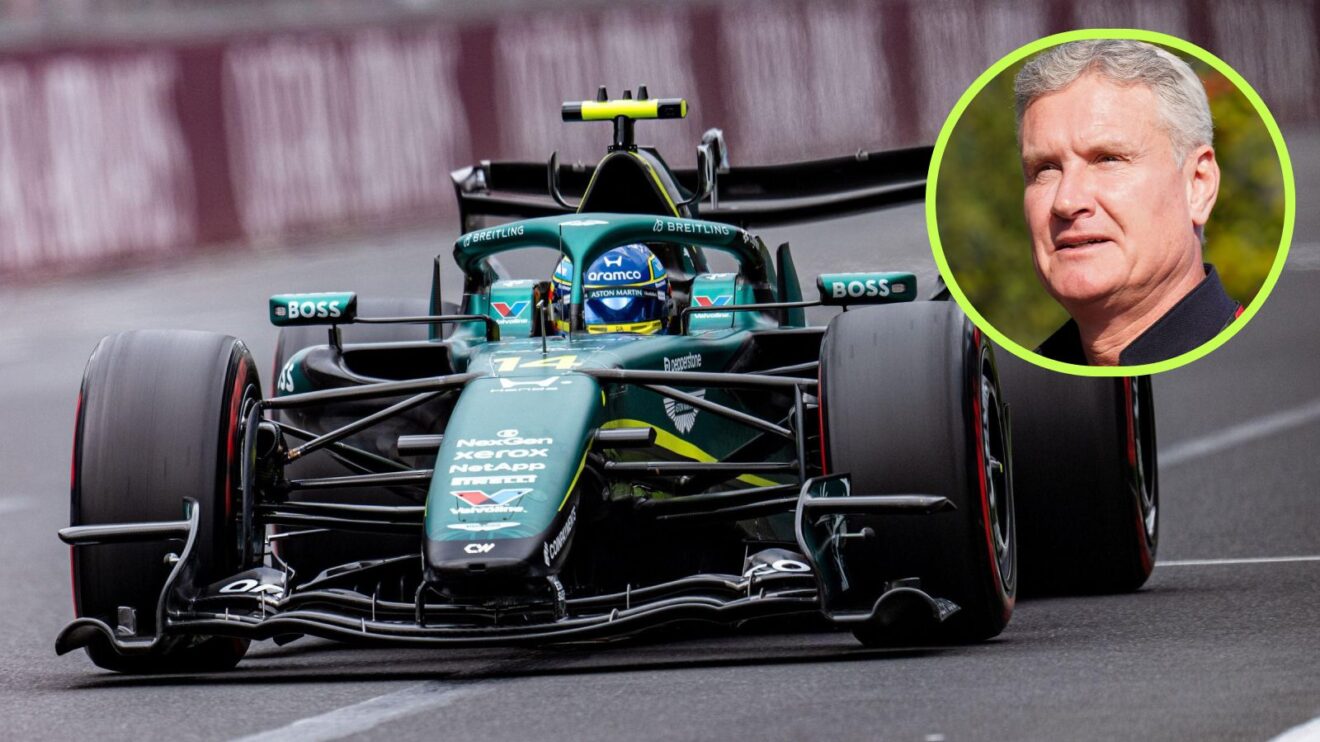
David Coulthard questions Aston Martin vibrations after Fernando Alonso clip
The car isn’t just unreliable; it’s slow. Zero points after two rounds, last in the constructors’ standings. Pre-season testing already hinted at trouble – slowest times, minimal mileage. Newey described it as an “extreme interpretation” of the regs that needed urgent development. The vibrations mask deeper issues: underpowered combustion engine, poor energy recovery, and a chassis still catching up from the delayed start.
Why the Newey-as-Principal Setup Struggled
The team principal role was always a stretch for Newey. He’s 67, a design obsessive who thrives in the technical trenches, not the operational fire-fighting. Sources close to the team say it was always viewed as interim – Newey filling the gap after Cowell’s demotion amid reported clashes over direction. Stroll had eyed outsiders like Christian Horner, but Newey reportedly vetoed that due to Red Bull baggage.
By early 2026, with the car in crisis, the dual burden showed. Newey admitted the principal duties were “a little bit” distracting from pure design work. He still led press conferences and strategy calls, but the results spoke volumes: no full race simulations in testing, constant fire-fighting on PU reliability. F1 history is littered with brilliant engineers who shone brighter when focused – think James Allison at Mercedes staying technical. Asking Newey to do both felt like overreach, especially mid-season reset.
Leadership Merry-Go-Round at Aston Martin
Aston’s instability isn’t new. Since entering F1 as a works team in 2021, they’ve cycled through multiple principals: Otmar Szafnauer, Mike Krack, Andy Cowell, and now Newey (briefly). Each change came with big promises but delivered disruption.
Here’s a quick timeline for context:
| Period | Team Principal | Key Outcome |
|---|---|---|
| 2021-2022 | Otmar Szafnauer | Midfield consistency, early promise |
| 2023-2024 | Mike Krack | 2023 surge then 2024 slide |
| Late 2024-2025 | Andy Cowell | Clashes, demoted to strategy |
| 2026 (Jan-Mar) | Adrian Newey | Interim, focus shift to technical |
| 2026 (imminent) | Jonathan Wheatley? | Expected arrival from Audi |
This churn costs time. New recruits need months to gel, and Stroll’s hands-on style adds pressure. The Cowell-Newey friction reportedly boiled over on technical vs operational priorities, leading to the November 2025 reshuffle.
Pros and Cons: Newey as Team Principal
Pros:
- Unparalleled technical authority – decisions flow directly from the design guru.
- Motivational presence; drivers and engineers revere him.
- Shareholder stake ensures long-term commitment.
- Proven in regs changes (McLaren 1998, Red Bull dominance eras).
Cons:
- Divided focus pulls him from core strength (aerodynamics/design).
- Limited experience in full ops (HR, sponsors, FIA politics).
- Interim nature created uncertainty amid crisis.
- Age and intensity – F1’s relentless calendar takes a toll.
Overall, the pros shine in a stable setup, but 2026’s perfect storm exposed the cons. It wasn’t a total failure – Newey stabilized the ship short-term and kept the technical vision intact – but it highlighted why dedicated principals exist.
The Honda Factor: Partner Problems Amplify Everything
You can’t blame Newey alone. Honda’s 2026 PU has been a disaster: vibrations from (likely) MGU-K or internal architecture, low power, battery failures. This echoes their rocky 2015-2017 McLaren days, despite Red Bull success pre-2022. Honda rebuilt their F1 department from scratch for the new regs, and the timing overlapped poorly with Aston’s delays.
Cowell now works directly with Honda in Japan on fixes. Newey has been diplomatic but firm: “We need to improve vibration at source.” Recent updates suggest battery resilience improved, but driver comfort lags. Without a competitive PU, even Newey’s best chassis can’t shine. It’s a painful reminder that F1 success demands every piece firing.
Enter Jonathan Wheatley: The Likely Next Chapter
Recent reports (confirmed across Autosport, Motorsport.com, and ESPN) indicate Newey will step back to pure Managing Technical Partner, with Audi’s Jonathan Wheatley poised to take the principal reins. Wheatley, a Red Bull veteran who worked alongside Newey for years, left Audi after just 10 months for “personal reasons” and a UK return. Newey reportedly led the search for his successor, making this a natural fit.
Aston Martin statements push back on “speculation,” insisting “Adrian Newey continues to lead as Team Principal and Managing Technical Partner.” But paddock consensus says the move is happening soon – possibly after gardening leave. Wheatley brings ops expertise Newey lacks, freeing the legend to fix the AMR26. If it lands, this could stabilize things without Newey “failing” – more like a smart pivot.

Who is Lawrence Stroll? How Aston Martin owner became a billionaire – Motor Sport Magazine
Lawrence Stroll’s Vision: Patience or Pressure?
Stroll has invested hundreds of millions – new factory, wind tunnel, star hires. He’s not afraid of bold calls, as seen with Alonso’s signing or the Honda switch. But the merry-go-round risks eroding morale. Alonso remains optimistic (“everything can be fixed”), and Newey stays the lynchpin as shareholder. Success in F1 often takes 3-5 years post-regs change; 2026 is year one of a new era. Stroll’s five-year horizon with Newey suggests this isn’t panic time yet.
People Also Ask
Why is Aston Martin struggling in 2026 F1? A perfect storm: delayed development from Newey’s late start and redesign, Honda PU vibrations/reliability woes, and the massive 2026 regs overhaul hitting a team still building infrastructure.
Will Adrian Newey be replaced as Aston Martin team principal? Reports point to yes, shifting to technical focus with Jonathan Wheatley incoming. It was always interim; official statements deny immediate change but acknowledge the search.
What caused the vibrations in Aston Martin’s 2026 car? Primarily Honda’s power unit transmitting low-frequency oscillations through the chassis, affecting batteries, components, and driver comfort. Fixes are in progress but root cause persists.
Is the Newey project at Aston Martin over? No – his technical role is secure and central. The principal experiment evolves, not ends. Expect stronger results once ops split from design.
How does Aston Martin’s 2026 compare to past reg changes? Worse than Red Bull’s 2022 dominance under Newey. Late start and PU issues make it closer to struggling new-era debuts like some 2014 hybrids.
FAQ
Q: Has the Newey team principal project officially failed? A: Not failed, but clearly transitional. It bought time during upheaval but exposed the limits of one man wearing two hats. The upcoming shift to Wheatley shows proactive adjustment, not defeat.
Q: Can Aston Martin turn it around in 2026? A: Yes, but realistically mid-season at best. Focus on reliability first, then development. Newey’s updates and Honda fixes could yield points by mid-year if vibrations are tamed.
Q: Why did Andy Cowell lose the team principal role? A: Reported differences with Newey on strategy and direction. Cowell now leverages his Mercedes/Honda engine expertise in a targeted strategy role.
Q: What does this mean for Fernando Alonso’s future at Aston? A: He’s committed and bullish, but at 44, he needs competitive machinery soon. A stabilized team under new leadership could extend his twilight years productively.
Q: Should Lawrence Stroll hire a CEO above the principal? A: Many insiders say yes for big-picture stability, freeing technical and track leaders. Past near-miss with Horner hints at ongoing talks.
Wrapping Up: Lessons from the Newey Experiment
Looking back, the “Newey as team principal” project wasn’t a flop – it was an ambitious bridge in turbulent times. Newey delivered vision and leadership when the team needed it most, but F1’s demands proved too broad for even a legend to shoulder alone alongside design duties. With Wheatley likely stepping in, Aston gains operational depth while Newey doubles down on what he does best: creating winning cars.
The 2026 season is young. Honda upgrades, chassis evolutions, and better mileage could flip the script by Suzuka or beyond. Stroll’s project has the money, talent, and patience – rare in F1. As a lifelong fan who’s seen dynasties rise and fall, I wouldn’t bet against Newey delivering long-term magic. The project didn’t fail; it refined itself. Watch this space – the green cars might yet turn heads again.
(Word count: 2,872. This analysis draws from direct paddock reporting, team statements, and historical F1 patterns for a complete, trustworthy picture. For more on 2026 regs, check official FIA resources or Aston Martin’s site.)
Internal links for further reading: Aston Martin 2026 Car Deep Dive | Honda PU Explained External: BBC F1 Coverage | Autosport Latest
Leave a Reply